
The escalating use of A7A5 stablecoin by sanctioned entities highlights a significant shift in the financial landscape, allowing these actors to effectively bypass traditional financial barriers. By understanding how stablecoins are exploited for sanctions evasion, we can grasp the broader implications on the global crypto economy.
Impact of Stablecoins on Sanctions Evasion
Stablecoins like A7A5 facilitate transactions for sanctioned parties, providing an innovative method to sidestep traditional banking restrictions. Sanctions are designed to impede financial transactions for targeted individuals or groups; however, the rise of stablecoins has disrupted this strategy significantly. According to recent reports, A7A5 enables actors to transact freely and easily, often without detection.
The mechanics behind this involve the use of blockchain technology and smart contracts, which operate outside governmental controls. This decentralization offers more anonymity than conventional banking systems. Consequently, sanctioned entities can continuously maintain their financial activities, which aggravates enforcement efforts. The cryptocurrency landscape is transforming the implications for global finance and law enforcement as a result of this shift in transaction methodology.
Current Trends in Illicit Crypto Use
The rise of illicit crypto activities amid financial sanctions illustrates a growing challenge for authorities worldwide. A staggering surge in illegal cryptocurrency usage has been noted; a January report from TRM Labs found a spike to an all-time high of $158 billion. This uptick showcases how sanctioned actors leverage stablecoins to facilitate their operations while evading detection.
Recent statistics emphasize that approximately $39 billion in sanctions-related crypto flows were linked to the A7 wallet cluster, a well-documented network of interactions among sanctioned entities. These statistics reveal that as sanctions increase, so do the attempts to circumvent them, often resulting in higher illicit crypto use. For instance, reports have shown a connection between A7A5 and various sanctioned organizations in Russia, illustrating the practical applications of this stablecoin in evading international regulations.
A7A5 Stablecoin in Focus
A7A5 stablecoin has emerged as a key player in the discussion of sanctions evasion. This digital asset is aligned with sanctioned companies, especially in Russia, facilitating their international commerce while bypassing conventional financial constraints. The underlying technology of A7A5 draws illicit actors due to its accessibility and ease of use, making it appealing to parties seeking financial anonymity.
The development of A7A5 by the A7 financial platform has been strategically designed to cater to those in need of an alternate financial system that does not rely on traditional banking. The growth of this parallel financial ecosystem thus indicates a significant shift within the crypto economy, reinforcing the need for awareness around the implications of such innovations. As noted by industry experts, understanding the connections between entities like A7A5 and sanctioned actors is crucial to addressing these challenges.
Coordination Among Sanctioned Actors
Examining the coordinated efforts among sanctioned state actors reveals how they enable effective crypto usage. Networks and wallets are integral to these transactions, allowing actors to move funds seamlessly across borders. Profiles of key participants in the A7A5 ecosystem suggest a well-defined strategy among these entities, optimizing their operational capabilities through collaboration.
Coordination is essential; sanctioned entities often share information and resources. This collaborative approach fosters a network that enhances their ability to navigate around regulatory frameworks. As illicit crypto use proliferates, understanding these dynamics becomes critical for law enforcement agencies to devise effective countermeasures.
Actionable Strategies for Mitigating Risks
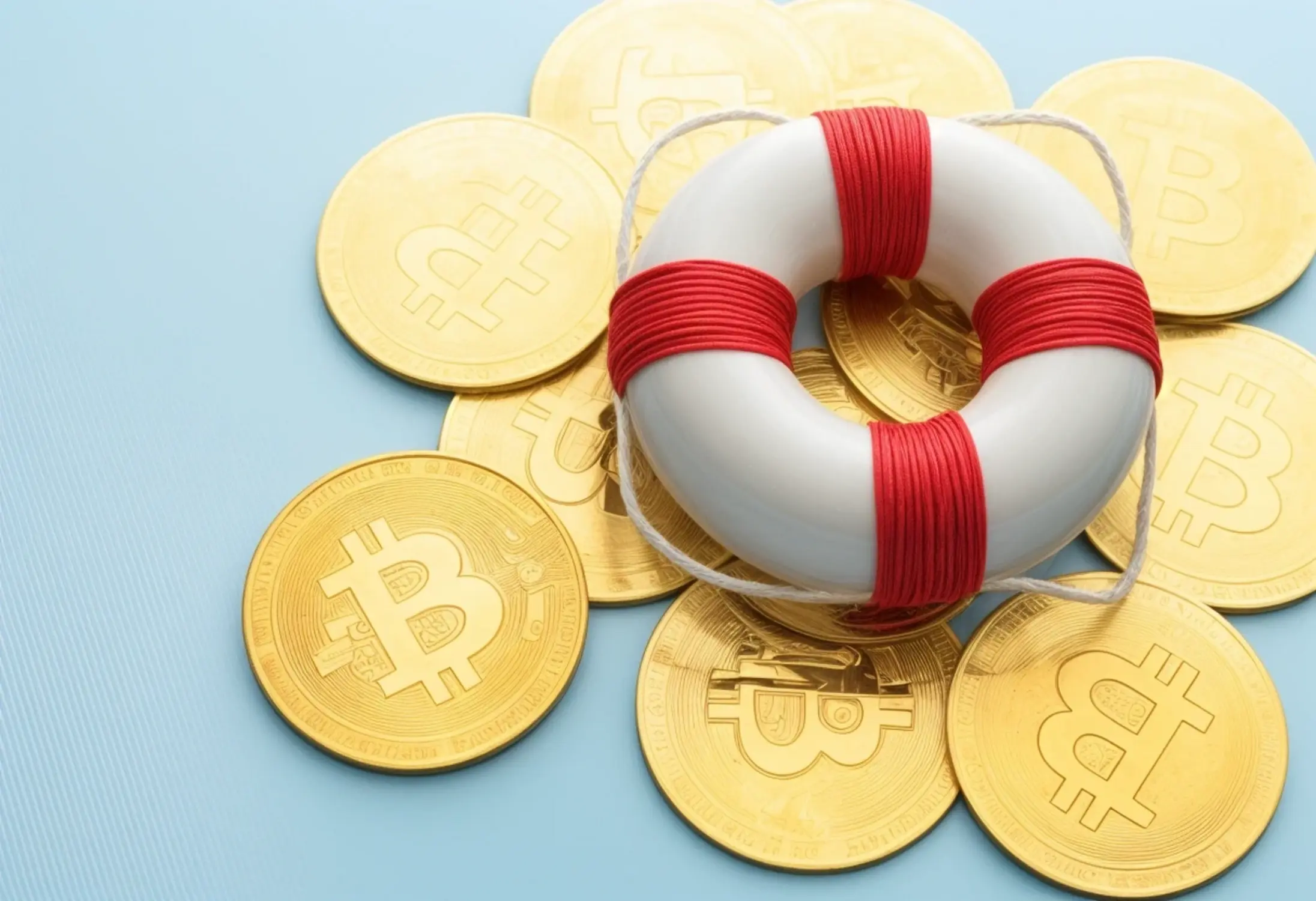
To combat illicit transactions involving stablecoins, financial institutions must enhance their monitoring systems. Identifying activities that may signal sanctions evasion should be a priority. Regulators need to step up oversight regarding stablecoins, ensuring that exchanges comply with sanctions laws.
Best practices for crypto exchanges include implementing robust Know Your Customer (KYC) protocols and transaction monitoring systems and maintaining updated risk assessments. By adopting comprehensive strategies, the potential for facilitating illicit activities through stablecoins can be substantially reduced.
The Future of Stablecoins and Sanctions
The future regulatory landscape surrounding stablecoins is likely to evolve as authorities respond to growing concerns over illicit usage. Stricter enforcement of sanctions could result in enhanced oversight mechanisms and regulatory frameworks that aim to clamp down on these financial innovations.
The long-term implications for the crypto economy depend on how well governments adapt to these challenges. Anticipating new technologies that may arise, such as improved privacy features in crypto transactions, will be key in predicting how illicit use of crypto may evolve. With continued advancements, operational tactics will change, necessitating adaptable strategies to prevent the misuse of stablecoins like A7A5.
About The Author