
We are witnessing a transformative shift in our economic landscape as the impact of Bitcoin and AI is reshaping traditional models and driving innovation. Now, more than ever, understanding these forces is crucial for navigating the evolving market dynamics.
Understanding the Impact of Bitcoin and AI
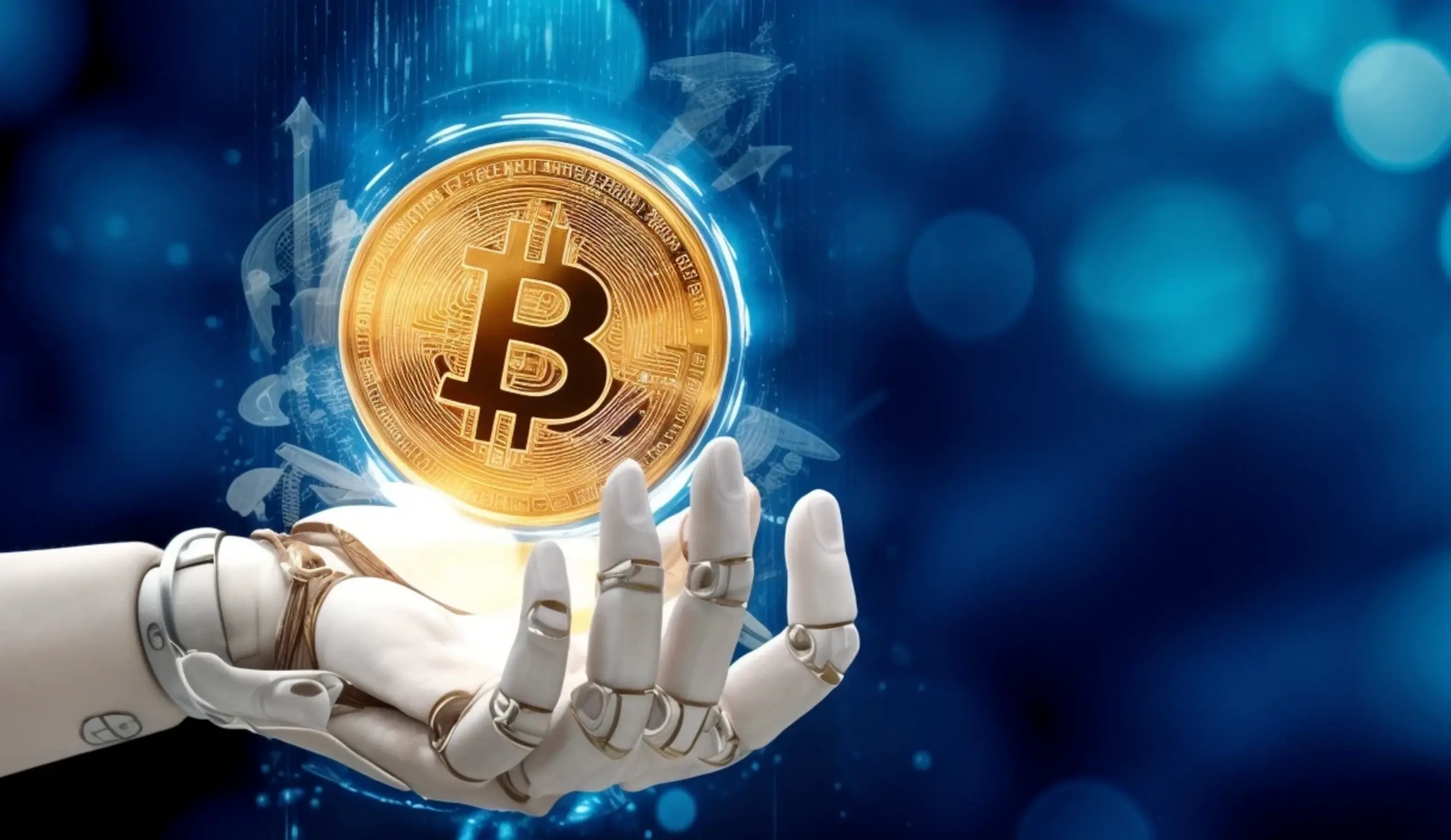
Bitcoin and AI are not merely technological advancements; they’re powerful tools that are reshaping economic frameworks. As they intertwine, they develop new paradigms that challenge traditional financial systems. For instance, Bitcoin’s decentralized nature offers an alternative to conventional banking, while AI enhances transaction efficiency and security. This integration is particularly evident in everyday financial transactions, where AI algorithms optimize trading strategies and enhance user experience.
Adaptation to these transformations is essential for both businesses and individuals. Companies that embrace Bitcoin and AI can streamline operations, reduce costs, and attract tech-savvy clients. Individuals benefit from better financial literacy and investment strategies. Understanding this impact allows for strategic decision-making, vital in an evolving marketplace. As experts point out, the synergy between Bitcoin and AI could redefine wealth generation in unprecedented ways.
Forces Shaping the Economy Today
The current economic landscape is influenced by several key forces shaped by Bitcoin and AI. Firstly, the role of stablecoin treasury is paramount in modern finance, serving as a bridge between traditional currency and digital assets. Stablecoins maintain value in volatile markets, providing a stable base for transactions while benefiting from the speed and efficiency offered by cryptocurrencies.
Additionally, Bitcoin has established itself as a digital asset with significant market behavior traits, often impacting monetary policy. As organizations adopt Bitcoin, they contribute to a broader acceptance that may influence regulatory frameworks globally. The growth of digital currencies necessitates rethinking monetary standards and adjusting policies to accommodate these innovations. According to recent reports, this evolution is setting new benchmarks for economic stability and growth.
Current State of Bitcoin in Economic Trends
Bitcoin’s position as a digital asset continues to solidify, showing resilience amidst economic fluctuations. Various sectors have increasingly adopted Bitcoin, ranging from technology to retail, reflecting a growing trust in its potential as a store of value. Moreover, its behavior in trading markets indicates that Bitcoin is becoming a viable hedge against inflation, especially as traditional currencies face devaluation pressures.
The adoption rates across sectors highlight a significant trend: industries are starting to view Bitcoin not just as a speculative investment but as a legitimate asset class. This perception shift is vital for understanding the impact of Bitcoin and AI on economic trends. Its integration within portfolios is expected to shape investment strategies, catering to a new wave of investors eager to leverage digital assets in their economic activities.
AI’s Role in Economic Transformation
Artificial Intelligence’s influence extends beyond operational enhancements to significantly affecting productivity and decision-making processes. In financial markets, AI algorithms are employed to predict trends and automate trading, enhancing efficiency and accuracy. However, this reliance on AI brings ethical implications, particularly in risk management and decision transparency.
As organizations leverage AI for economic transformation, the challenge remains to balance technological benefits with ethical considerations. The question of accountability arises—who is responsible when AI-generated decisions lead to unforeseen consequences? By integrating AI with sound ethical practices, the financial sector can harness the power of technology while mitigating risks.
Innovations in Stablecoin Treasury Management
The emergence of stablecoins represents a noteworthy innovation in treasury management. These digital assets play a crucial role in maintaining currency value during market volatility. As organizations increasingly adopt stablecoins, they gain strategic advantages, including improved liquidity and reduced transaction costs.
Future developments in the stablecoin realm will likely focus on enhancing regulatory compliance and integrating with decentralized finance (DeFi) solutions. This integration could redefine treasury management, allowing companies to leverage stablecoins effectively for risk management and capital optimization. As the landscape evolves, companies will need to stay informed about innovations and adapt accordingly to maintain a competitive edge.
Actionable Steps for Embracing Change
Businesses and individuals must take actionable steps to thrive in this evolving economy. Companies should invest in understanding the impact of Bitcoin and AI, exploring integration methods that complement their operational strategies. Here are some recommendations:
– Engage in Continuous Learning: Stay updated on the latest developments in cryptocurrency and AI.
– Diversify Investment Portfolios: Consider incorporating Bitcoin and stablecoins alongside traditional assets.
– Adopt Strategic Technologies: Leverage AI for decision-making processes and operational efficiency.
Individuals should also seek opportunities to incorporate Bitcoin and AI into their financial strategies. Emphasis should be placed on education and adaptability, essential traits in the dynamic digital economy. As we navigate this rapid evolution, the importance of a proactive approach cannot be overstated. Recognizing the forces shaping the economic landscape and adapting accordingly is crucial for future success.
About The Author