
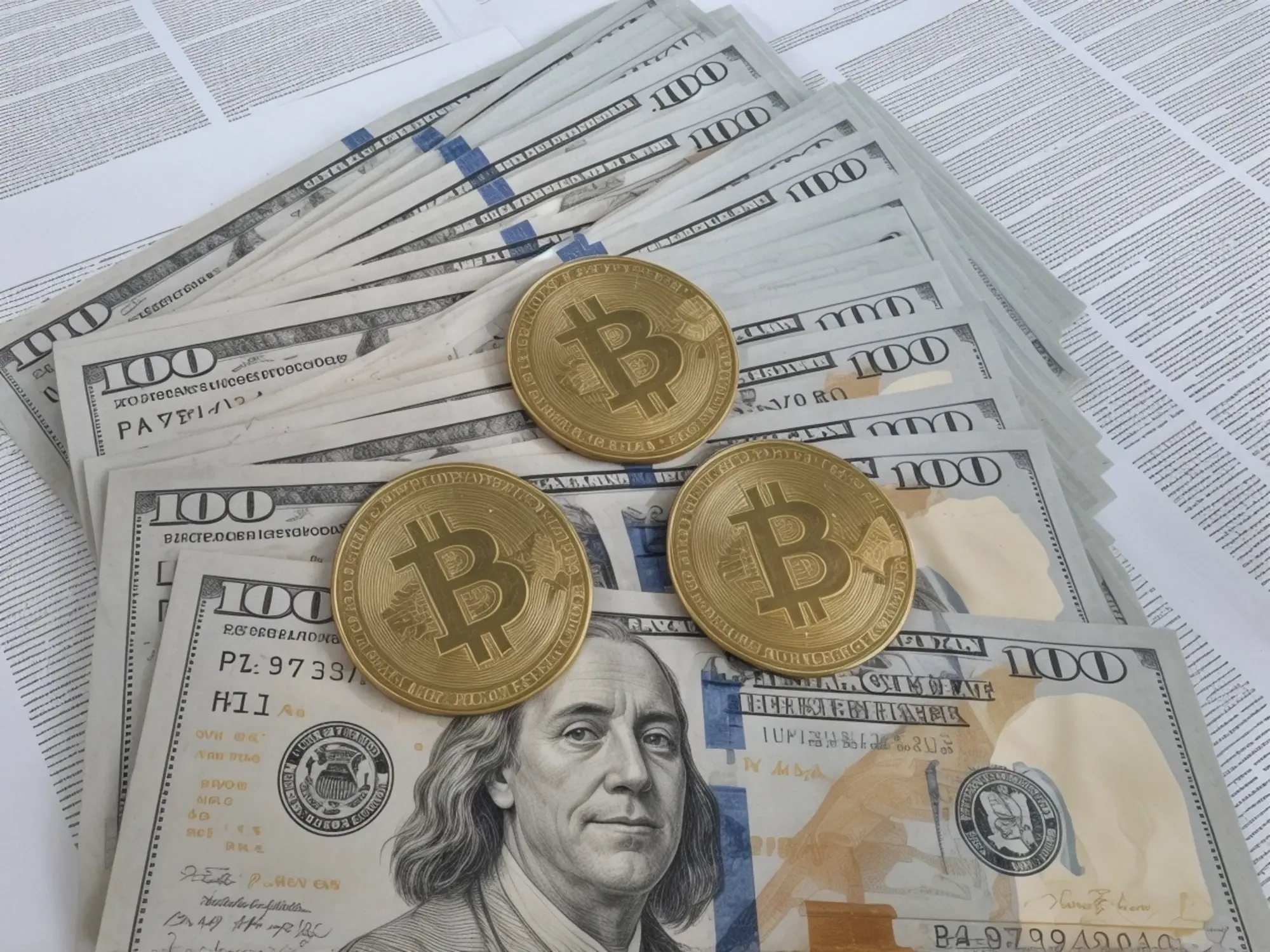
Bitcoin has been reshaping the financial landscape, prompting discussions about its influence on the USD’s status as the primary reserve currency. As we explore Bitcoin’s role as a digital currency alongside the enduring dominance of the USD, it becomes apparent that the dynamics between these two entities will significantly impact global economic trends and traditional finance’s future.
Understanding the Current Landscape of Bitcoin USD Reserve Status
Bitcoin operates as a decentralized digital currency, altering how people view and engage with money. Unlike traditional currencies, Bitcoin is not issued by a central authority, which enables it to avoid the inflationary pressures often faced by fiat currencies. Historically, the USD has held the position of the world’s leading reserve currency, largely due to the strength of the U.S. economy and the stability of its political environment. Recent statistics indicate a notable shift, as Bitcoin and other cryptocurrencies continue to gain traction among investors and institutions. For instance, studies have shown that the cryptocurrency market capitalization reached over $3 trillion in late 2021, illustrating its growing significance (Cointelegraph).
The rise of Bitcoin can uniquely support the USD’s reserve status while simultaneously presenting challenges. The current landscape suggests that the interplay between Bitcoin’s volatility and the stability of USD will dictate future economic trends.
The Global Economy’s Response to Bitcoin’s Rise
As Bitcoin rises in popularity, various economies are adapting their financial systems to incorporate cryptocurrency. Countries like El Salvador have made Bitcoin legal tender, while other nations are examining the efficacy of incorporating digital assets into their systems. This movement signifies a potential transformation in international trade practices. Brazil has also begun exploring a digital currency that could alter trade dynamics significantly.
Additionally, Bitcoin’s impact on exchange rates cannot be understated. The fluctuations in Bitcoin’s price often correspond with changes in traditional currency values, suggesting that investors view Bitcoin as an alternative asset class. For instance, following significant price surges of Bitcoin, analysts observed adjustments in the USD’s strength against foreign currencies. Regulatory changes across different countries further exemplify this evolving landscape, with governments striving to create frameworks that will support or inhibit Bitcoin’s integration into their economies.
Analyzing Bitcoin’s Influence on Financial Stability
While Bitcoin has garnered attention as a digital asset with significant investment potential, its inherent volatility poses risks to financial stability. Sudden price swings can lead to uncertainty among investors and create ripple effects in the broader market. The Securities and Exchange Commission (SEC) has expressed concerns regarding the implications of cryptocurrencies on investor confidence and overall market stability. Such volatility raises questions about Bitcoin’s suitability as a reserve currency alongside traditional options like the USD.
Moreover, a downturn in Bitcoin’s market value could trigger broader financial consequences, particularly for those heavily invested in digital currencies. Investors may face substantial losses, leading to decreased confidence in cryptocurrencies as stable assets. This uncertainty highlights the potential risks associated with Bitcoin’s inclusion in any financial reserve strategy.
Factors Fueling Bitcoin’s Growing Relevance
Several factors contribute to Bitcoin’s increasing relevance in today’s economic context. Technological advancements have significantly influenced its adoption by making transactions faster and more secure. Blockchain technology, for instance, enables decentralized record-keeping, which enhances transparency and can build trust among users.
Additionally, social and economic factors play a crucial role in driving cryptocurrency adoption. The rising global inflation rates and distrust in traditional banking systems motivate individuals to seek alternatives like Bitcoin for preserving their wealth. Institutional investors, in particular, have shown a growing interest in Bitcoin, with companies like Tesla and Square investing large sums into the cryptocurrency, further cementing its legitimacy in the financial community.
Strategies for Embracing Bitcoin in Business Practices
Businesses looking to integrate Bitcoin into their financial frameworks can adopt several effective strategies. A critical first step involves understanding the unique characteristics of Bitcoin and how they can complement existing systems. Companies should explore partnerships with established cryptocurrency exchanges to facilitate smoother transactions.
Additionally, utilizing blockchain solutions can help companies ensure secure and transparent funds transfer. Firms like Overstock have successfully incorporated Bitcoin into their payment systems, showcasing the potential benefits for other businesses considering similar pathways. Companies must stay informed about regulation developments surrounding cryptocurrency to avoid compliance issues while leveraging the advantages Bitcoin offers.
Preparing for Future Changes in Reserve Currency Dynamics
As the financial landscape continues to evolve with the rise of Bitcoin, policymakers and financial institutions must adapt their strategies accordingly. Understanding the dual roles that Bitcoin and the USD may play in future economies will be crucial to maintaining stability in global finance. This evolution could foreseeably change the dynamics of reserve currencies, prompting a reconsideration of what constitutes a viable currency for international trade.
As analysts predict a future where both Bitcoin and USD coexist, this scenario calls for increased collaboration among regulators, financial institutions, and cryptocurrency innovators. Keeping abreast of these developments will be essential as nations strategize on how to embrace this new economic reality in a rapidly shifting global landscape.
About The Author