
As economic conditions continue to fluctuate, the potential for a Bitcoin price increase is capturing the attention of investors and analysts alike. Understanding these shifts is crucial for anyone looking to navigate the cryptocurrency landscape in the coming months.
Economic Factors Impacting Bitcoin Price
Macroeconomic factors are playing a critical role in influencing Bitcoin’s value today. One significant element is the recent interest rate adjustments made by central banks across the globe. Higher interest rates often drive investors away from riskier assets like cryptocurrencies, impacting the Bitcoin price negatively. As reported, the current economic climate indicates that these interest rate fluctuations could lead investors to reconsider Bitcoin as a viable option amid bear market sentiments (Economic Times).
Additionally, the stability of the US dollar is a pertinent factor. Bitcoin often appeals to those looking for a hedge against inflation and a depreciating dollar. With ongoing discussions about the dollar’s future stability, investors may increasingly turn to Bitcoin, further driving its price upward.
Current Investor Sentiment in Bear Market
Currently, the market is reflecting a cautious investor sentiment as it languishes in a bear phase. Many Bitcoin enthusiasts are displaying hesitance in executing trades, resulting in a sluggish market. This caution is largely fueled by ongoing economic uncertainty and hesitations displayed in trading patterns, which show a reluctance to enter positions amid fear of a prolonged downturn.
Reports indicate that outflows from Bitcoin ETFs have been significant, suggesting a lack of confidence among investors in Bitcoin’s price trajectory. As showcased by recent trading data, even with some minor price upticks, the underlying sentiment remains cautious, reflecting broader anxieties regarding market stability (TradingView).
Cryptocurrency Trends and Their Influence
Emerging trends within the cryptocurrency market are also critical as they hold the potential to affect Bitcoin’s price. Technological advancements, such as the evolution of blockchain technology, are reshaping investor strategies. These technological changes can encourage new investments and potentially spark a surge in Bitcoin activity.
Moreover, regulatory changes can significantly impact market dynamics and investor confidence. If regulations become more favorable towards cryptocurrencies, it could potentially attract more institutional investors, driving demand and positively influencing Bitcoin prices. Conversely, adverse regulations might deter potential investors, creating a bearish outlook for Bitcoin and other cryptocurrencies.
Divergent Analyses on Future Price Movements
Analysts are notably divided when it comes to predicting Bitcoin’s future price movements. On one hand, some financial experts argue that improving economic conditions could serve as a catalyst for a Bitcoin price increase. This optimism is supported by recent rallies seen in other risk assets. On the other hand, a faction warns of a possible regression towards lower price levels, such as $50,000, amid normalization of risk assets (Economic Times).
This dispersed viewpoint emphasizes the unpredictable nature of the cryptocurrency market, where macroeconomic factors, along with regulatory landscapes, will play pivotal roles in shaping Bitcoin’s price trajectory moving forward.
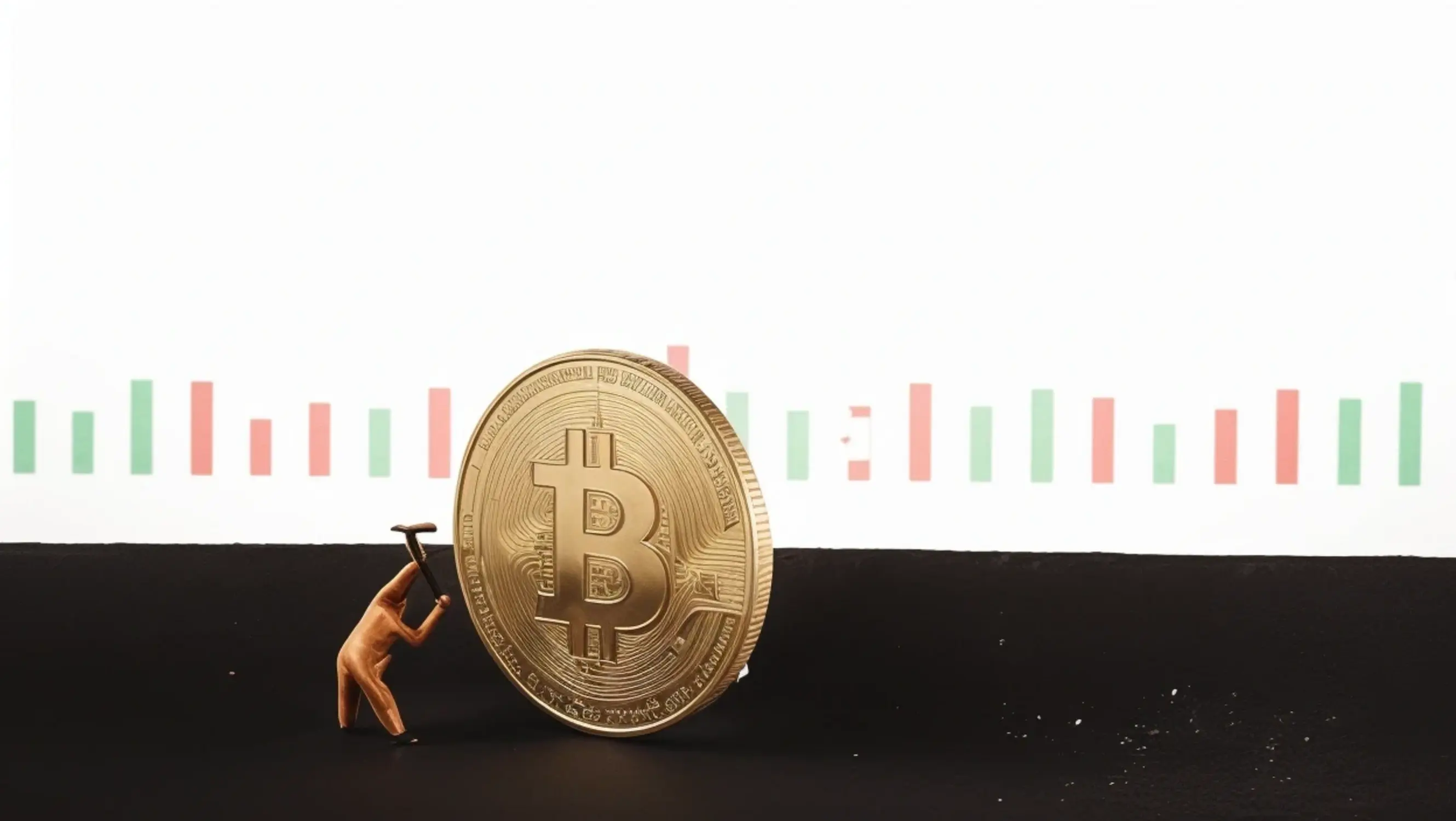
The Role of Leveraged Positions in Market Predictions
Leveraged trading positions can significantly affect Bitcoin’s market behavior. Investors often employ leverage to amplify potential returns, which can introduce increased risks, especially in volatile markets. With current market conditions being precarious, high-leverage trading can lead to sharp price corrections, compounding losses for investors caught on the wrong side of a trade.
Historical data suggests that leveraged positions can lead to drastic price shifts in both directions. Understanding these dynamics is fundamental for those looking to invest in Bitcoin during bear markets, as caution is necessary to avoid significant financial distress.
Strategies to Navigate Bitcoin Investments
Given the dynamic landscape, investors need actionable strategies when navigating Bitcoin investments. Timing is crucial, and individuals should monitor the market to identify the best entry and exit points. When investing during volatile periods, it’s essential to possess a diversified portfolio, balancing high-risk assets like Bitcoin with more stable investments.
Additionally, employing risk management practices, such as setting stop-loss orders, can help mitigate significant losses. Regular portfolio reviews and aligning investment strategies with market conditions can further enhance an investor’s position in the cryptocurrency market.
The Importance of Continuous Investment Analysis
For cryptocurrency investors, continuous market analysis is vital to stay ahead of price fluctuations. Various tools and resources, such as trading platforms and analytical services, can aid in monitoring Bitcoin’s performance effectively. Staying informed about economic trends and market sentiments can enable investors to make more informed decisions.
In conclusion, as economic landscapes evolve, understanding and adapting to these changes is essential for anyone involved in Bitcoin investments. Continuous learning and analysis can pave the way for successful navigation through the complex world of cryptocurrencies.
About The Author