
Amid ongoing geopolitical turmoil, Bitcoin’s stability has become a pivotal topic in the crypto economy. Understanding how Bitcoin navigates these crises is essential for investors and enthusiasts alike, as its role evolves in the face of heightened global tensions.
Understanding Bitcoin and Geopolitical Turmoil
Bitcoin’s perception as a safe-haven asset is gaining traction, especially as global crises unfold. Investors are increasingly looking for alternative assets that can withstand economic shocks. During times of instability, Bitcoin often becomes a focal point of discussion. Its decentralized nature makes it an attractive option when traditional financial systems appear vulnerable. The rise of Bitcoin during events such as the Iran conflict highlights how geopolitical issues can lead to increased demand for cryptocurrencies. For instance, during recent escalations in the region, Bitcoin’s appeal has surged, as many view it as a hedge against economic turmoil. According to recent reports, Bitcoin’s volatility tended to increase as tensions mount, illustrating its dual nature as both a risk asset and a safe haven.
The Impact of the Crypto Economy on Traditional Markets
The relationship between the crypto economy and traditional financial markets is intricate. Fluctuations in Bitcoin prices can reverberate across various sectors, particularly those tied to oil and commodity markets. As geopolitical events unfold, Bitcoin’s price action often correlates with oil prices. For example, during conflicts, high oil prices can result from instability, which subsequently positions Bitcoin as a competitive alternative store of value. The increased adoption of cryptocurrencies is becoming a more pronounced trend, affecting traditional market stability significantly. As noted by some industry experts, this shift impacts the way investors view cryptocurrencies, often opting for a diversified portfolio that includes both digital assets and conventional investments. This strategic maneuver emphasizes Bitcoin’s growing relevance amid changing global dynamics, where adaptation is crucial for market stability.
Recent Developments in the Iran Conflict
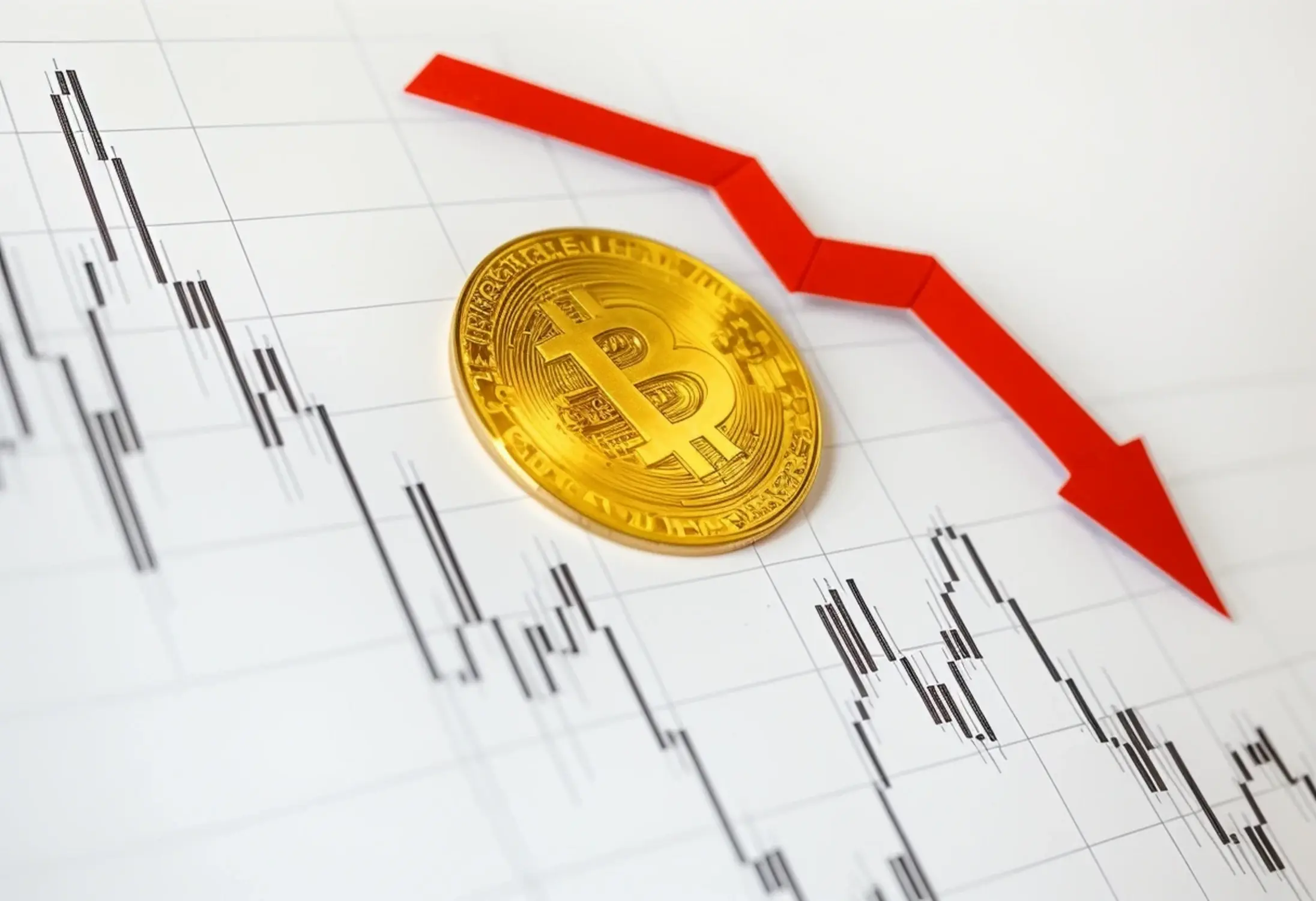
The Iran conflict has revealed various dimensions of how geopolitical tensions influence Bitcoin’s price and overall market sentiment. Recent events following the death of a prominent Iranian leader have led the U.S. government to engage in strategic Bitcoin transfers, as reported by Crypto Economy. This proactive approach reflects a broader awareness of how cryptocurrencies can play a role in modern conflict scenarios. The implications are vast: Bitcoin’s market performance during these crises has showcased significant price movements, including a decline that saw Bitcoin dropping below $68,000. In contrast, traditional safe-haven assets like gold and silver recorded losses of over 3% and 6%, respectively. Such shifts underline the potential vulnerabilities of conventional assets in times of crisis.
Bitcoin’s Stability in Response to Global Crises
Recent trends suggest that Bitcoin demonstrates a unique form of stability amid geopolitical turmoil, often outperforming traditional safe-haven assets. This resilience is particularly evident in its performance during the Iran conflict, where Bitcoin’s price stability often defies expectations. Analyzing market reactions reveals that, while Bitcoin is still viewed as a speculative asset, it has managed to attract a dedicated investor base seeking safe storage during turmoil. Unlike gold and silver, Bitcoin has shown a capacity to react swiftly to market dynamics, often resulting in price reactions that are out of sync with traditional asset movements. As global economic conditions become increasingly volatile, Bitcoin’s role as a potential hedge becomes more significant, lending weight to its position as a critical player in the financial landscape.
Lessons Learned from Bitcoin’s Performance
Bitcoin’s performance amid geopolitical crises provides several key insights for investors. Understanding its volatility can inform future investment strategies, especially during uncertain times. The patterns observed during the most recent conflicts reveal that Bitcoin often reacts sharply to market news. Investors can leverage this information to anticipate potential price movements. Additionally, case studies from Bitcoin’s performance in previous conflicts have shown that timing and market sentiment play crucial roles. Therefore, actively monitoring global events and Bitcoin’s related price reactions could yield strategic advantages for investors navigating the increasingly complex crypto landscape.
Taking Action: Strategies for Investors
To effectively navigate the volatility of the crypto economy, investors should adopt certain strategies. First, it is essential to stay informed about Bitcoin’s behavior during global crises. Knowledge of historical trends can aid in making more educated investment decisions. Diversifying investment portfolios remains critical, combining traditional assets with a targeted focus on Bitcoin and other cryptocurrencies. As geopolitical tensions resonate through the financial markets, having a balanced approach can mitigate risks. Moreover, using tools like dollar-cost averaging can help investors manage volatility while building their cryptocurrency holdings over time. By implementing these strategies, investors can better position themselves to capitalize on Bitcoin’s market dynamics and responsive behavior.
About The Author