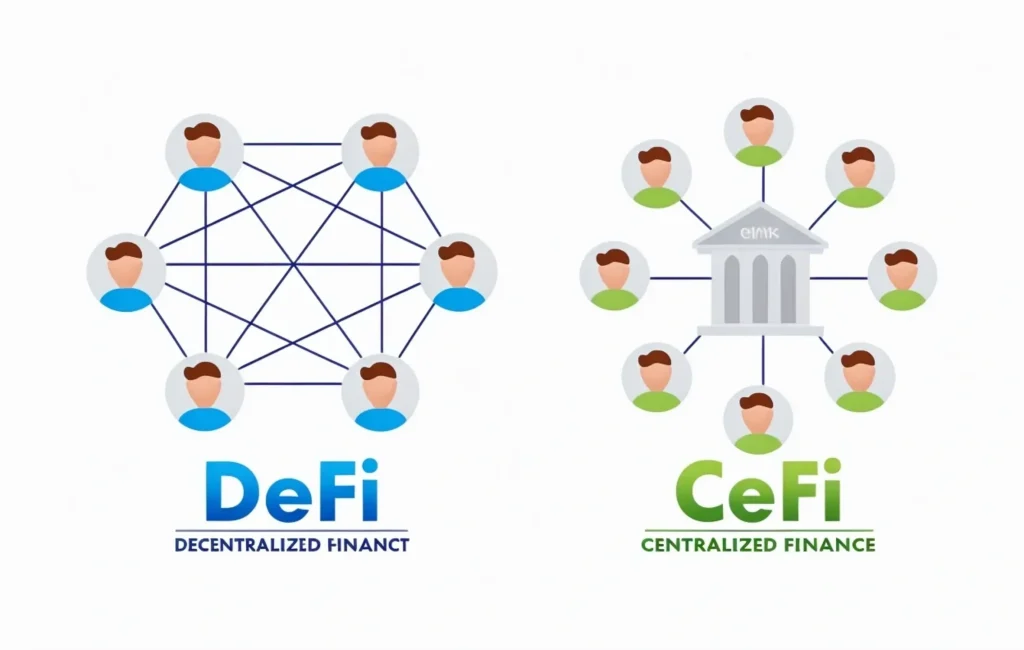
The Pi Network revolutionizes digital currency by prioritizing community involvement, which is essential for creating a decentralized financial ecosystem. As digital currencies evolve rapidly, understanding their impact on financial autonomy and mobile mining is crucial for participatory empowerment.
The Significance of Community in Pi Network
Community plays a pivotal role in the Pi Network, driving its growth and stability. Members actively engage in the network, which fosters a sense of ownership. Every participation, whether mining, verifying transactions, or simply spreading the word, helps fortify the network. This engagement not only increases its robustness but also ensures lower barriers to entry for users globally. A recent report highlights how Pi enables accessibility by allowing individuals from various economic backgrounds to participate in a new financial system.
Moreover, a strong community enhances the security of the network. As users take an active role in maintaining its infrastructure, they inadvertently contribute to its resilience. By leveraging collective effort, Pi Network gains an additional layer of protection against potential threats. Without community support, networks often struggle to maintain security protocols. Hence, the Pi Network exemplifies a successful blend of community engagement and digital currency, showcasing the direct correlation between user participation and network security.
Current Trends in Digital Currency Models
Pi Network distinguishes itself within the broader digital currency landscape. Unlike traditional cryptocurrencies that rely heavily on elaborate mining setups, Pi focuses on a unique mobile mining model. This innovative approach allows users to mine coins on their smartphones, thus democratizing the process and making it more inclusive. The Pi Network was launched with the explicit goal of making cryptocurrency accessible to all, and this mobile-first strategy fulfills that mission by removing technological and financial barriers that typically hinder participation, as stated by industry experts.
The rising trend of community-driven projects also marks a notable shift in how digital currencies are developed. Projects like Pi rely on engaged communities to thrive and innovate, moving away from the often isolated nature of conventional cryptocurrencies. This shift not only empowers users but also leads to a more resilient financial ecosystem.
Underlying Mechanisms of Mobile Mining
Mobile mining in the Pi Network operates on a simple yet effective principle. Users can mine Pi coins directly from their mobile devices without the need for high-powered computers or significant electricity consumption. This accessibility allows more individuals to participate, thereby enriching the network’s ecosystem. The process involves users pressing a button in the app every 24 hours, which is akin to a digital check-in. The simplicity of this approach contrasts sharply with conventional mining methods, which typically consume extensive resources and require specialized knowledge.
User engagement is vital in this system. The more engaged users are, the more secure and reliable the network becomes. Increased engagement also allows for a smoother mining process and a more robust backend infrastructure. Comparatively, traditional mining methods often rely on extensive physical resources and can exclude potential participants due to high initial investment barriers, allowing Pi Network to stand out as a more democratic option for digital currency involvement.
Financial Autonomy Through Decentralization
Decentralization is at the heart of the Pi Network’s mission to promote financial independence. By allowing users to mine Pi coins without needing a centralized authority, the network empowers individuals to exercise control over their financial resources. This empowerment fosters a sense of autonomy among users, as they can independently secure their funds without concerns about traditional banking systems.
The concept of financial autonomy is gaining ground in modern economic systems. A growing number of individuals seek alternatives to traditional financial institutions, often due to dissatisfaction with existing services. By enabling decentralized financial practices, Pi Network paves the way for users to harness their financial capabilities more effectively. Numerous case studies illustrate how individuals have leveraged their participation to achieve financial independence in innovative ways, carving a path toward a revitalized economic framework.
Challenges and Risks Facing the Pi Network
However, as with any emerging digital currency, the Pi Network faces significant challenges. Market volatility remains a pressing concern, influencing overall user sentiment and participation. Currently, the price of Pi is significantly lower than its all-time high, raising questions about its stability and long-term viability in the ever-changing cryptocurrency market. Additionally, the anticipated unlock of a substantial number of tokens has sparked inflation concerns that could impact market dynamics adversely. Reports indicate that around 134 million Pi tokens are expected to enter circulation soon, raising alarms among seasoned investors and community members alike about potential inflationary effects as reported.
Community sentiments surrounding these risks can significantly affect the network’s trajectory. Open discussions about concerns and collective strategies to address them will be crucial in maintaining trust and engagement among users.
Strategies for Engaging with the Pi Community
For those interested in maximizing their involvement in the Pi Network, there are several best practices to consider. New users can start by familiarizing themselves with the app’s functionalities and participating in community-driven channels such as forums and social media groups dedicated to Pi. These platforms serve as valuable resources for sharing insights, experiences, and strategies for effective mobile mining.
To optimize mobile mining efforts, users can implement strategies such as setting reminders to log in daily, participating in team mining activities, and engaging in discussions about the network’s development. By doing so, they can not only increase their mining efficacy but also contribute to the overall health of the network.
In summary, the Pi Network’s emphasis on community participation presents both opportunities and challenges in the realm of digital currency. With continued engagement and an understanding of the underlying mechanics, users can pave the way for a decentralized financial future.
About The Author