
As Iran seeks to circumvent mounting economic sanctions, utilizing cryptocurrency for weapons sales has emerged as a pressing strategy. This evolution in trade represents a critical juncture that could redefine international relations and the dynamics of the Iranian economy.
How Iran Cryptocurrency Weapons Sales Challenge Sanctions
Iran’s strategy for using cryptocurrency to facilitate weapons sales marks a new phase in its economic dealings under the pressure of international sanctions. The country faces a complex web of restrictions that have crippled its traditional financial avenues. As sanctions tighten, Iran’s pivot to digital currencies like Bitcoin is not merely a trend; it’s a calculated move to remain relevant in the global arms market.
This shift poses several challenges to the effectiveness of existing sanctions. Critics argue that if Iran can engage in cryptocurrency weapons sales, it may undermine the very foundations upon which these sanctions are built. According to recent reports, Iran has announced plans to sell advanced weapons systems using cryptocurrency as inflation and a weakening currency compel the regime to look for alternative financial channels.
The implications of this strategy extend beyond mere economic benefits. It also holds the potential to alter global political dynamics. Governments wary of Iranian military capabilities may feel compelled to respond differently, possibly accelerating arms races or reshaping diplomatic efforts around sanctions.
The Current State of Iran’s Economy Amidst Sanctions
The state of Iran’s economy amidst heavy sanctions is dire. High inflation rates nearing 42.5% have created a climate of uncertainty, driving the currency into a tailspin. The devaluation of the Iranian rial has been a significant push factor influencing the country’s adoption of cryptocurrency for trade. As traditional fiscal mechanisms crumble, crypto emerges as a beacon of hope for stability and security.
Economic pressures have, over time, exacerbated the reliance on digital currencies as an alternative trading mechanism. The Iranian government is recognizing the potential of cryptocurrencies not only for weapon sales but also as a means to stabilize its battered economy. In this context, the pivot towards cryptocurrency reflects a pragmatic response to avoid further isolation while sustaining trade.
Trends in Cryptocurrency and International Trade
The rise of cryptocurrency in global trade has been significant. Nations are increasingly recognizing its potential to facilitate transactions without the restraints imposed by traditional banking systems. Countries view Iran’s exploration of crypto weapon sales with more scrutiny than ever, noting its broader implications for international security.
Different countries are adopting varied responses to Iran’s new approach. Some view it as a threat, while others may see opportunities for cooperation in bypassing their own sanctions. The methods employed by Iran could influence how other nations also consider cryptocurrencies in the realm of international trade, potentially leading to a shift in how economic sanctions are perceived and implemented.
The Role of Cryptocurrency in Iran’s Trade Strategy
In crafting a cryptocurrency strategy for its transactions, Iran is likely to utilize several key digital currencies. Bitcoin is at the forefront due to its widespread recognition and use, but others like Ethereum may also play crucial roles in transactions designed to evade sanctions. The ability to conduct large-scale sales using digital currencies opens new avenues for Iran’s economic stabilization.
Moreover, similar strategies have been observed in other countries facing sanctions. Nations like Venezuela have attempted parallel efforts to use cryptocurrency in trade to counteract economic pressure, showcasing a trend that may grow further as financial sanctions become more commonplace.
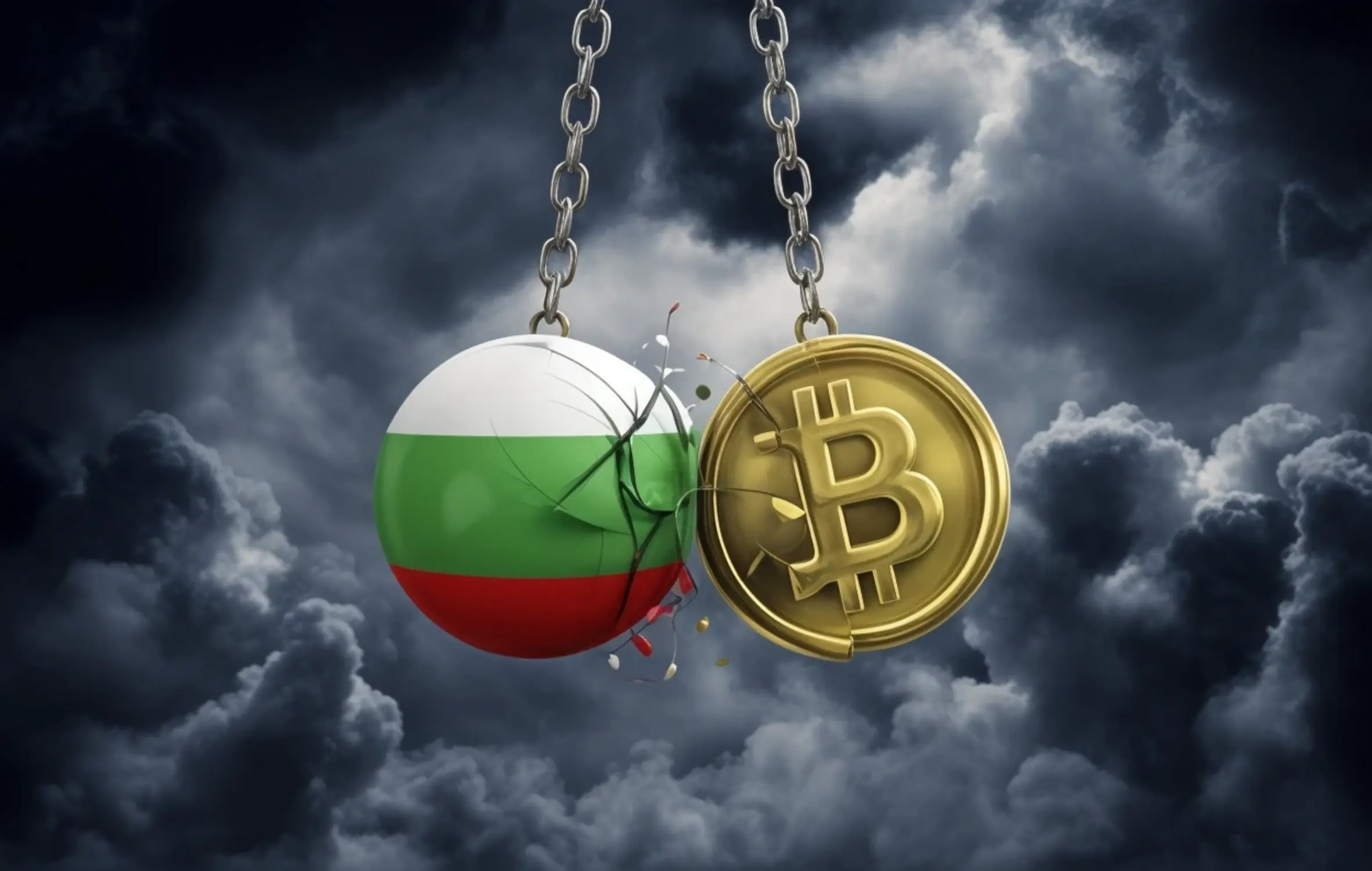
Implications of Sanctions and Cryptocurrency for Iran’s Future
The long-term implications of Iran’s shift towards cryptocurrency for its economic and political landscape could be profound. Should this strategy prove successful, it may reshape not only Iran’s alliances but also the nature of international relations regarding sanctions. The dynamics of power could shift, enabling Iran to forge new partnerships with financially disenfranchised nations looking to do business outside traditional avenues.
As these developments unfold, the international community must recalibrate its approach to sanctions, questioning their effectiveness when faced with a rapidly evolving digital landscape. Whether these new approaches can be contained will greatly impact the future of diplomatic relations and peace as we know it.
What Can Readers Learn from Iran’s Crypto Adoption?
Iran’s adoption of cryptocurrency illustrates the intersection of politics, economy, and technology in a way few have witnessed before. It teaches us valuable lessons about the adaptability of nations in response to stringent sanctions.
For individuals and businesses considering the potential of cryptocurrencies for trade, Iran’s situation serves as a cautionary tale, a model of resilience in the face of adverse conditions. These developments open discussions on how cryptocurrencies can be effectively integrated into international trading practices while navigating complex political landscapes.
About The Author