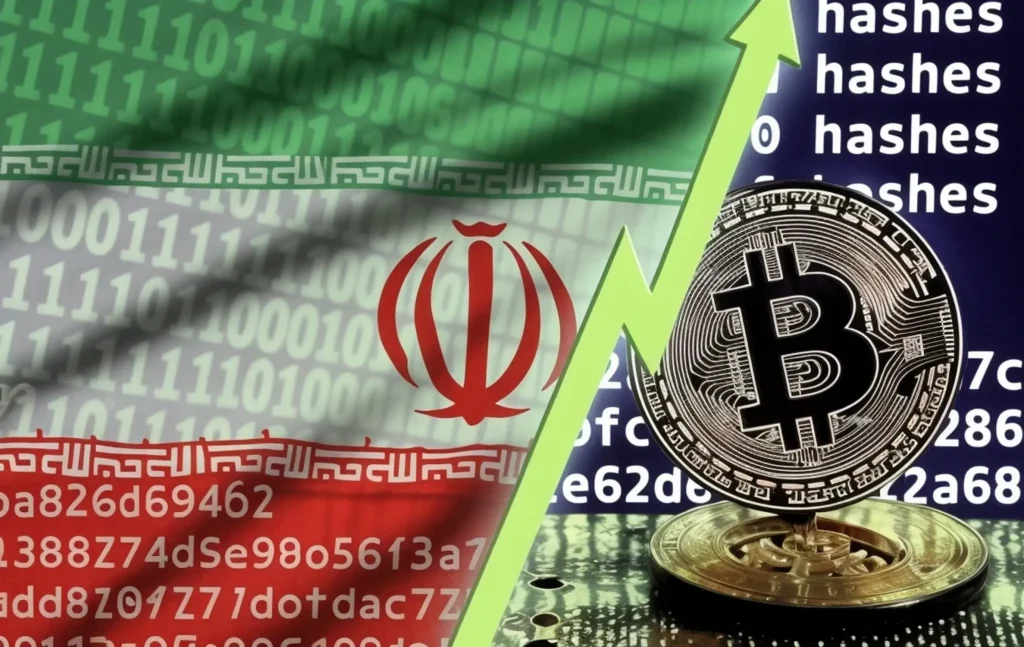
Cryptocurrency is reshaping Iran’s economy amidst severe sanctions, allowing the nation to sustain financial operations that traditional banking systems prohibit. By understanding the role of crypto shielding Iran under these conditions, we can grasp the intricate balance between economic survival and global financial regulations.
Impacts of Iran Sanctions on Financial Operations
The economic fallout from sanctions has been particularly profound in Iran. These restrictive measures have constrained Iran’s access to the global financial system, effectively locking the country out of traditional trade routes and fostering economic isolation. With traditional financial avenues limited, the government and businesses have had to find alternative methods for transactions, leading to a surge in cryptocurrency activities. According to recent analysis, Iran has sought to capitalize on cryptocurrencies as a viable substitute for the dollar-based international trade system.
Sanctions have not only stifled foreign investment but have also hindered local businesses reliant on international partnerships. As a result, many firms have turned to cryptocurrency to engage in cross-border transactions, bypassing the limitations imposed by sanctions. This shift underscores a significant transformation in Iran’s economic operations and highlights the urgent need for innovative financial solutions.
The Role of Crypto Shielding Iran in Sanctions
The term “crypto shielding Iran” emphasizes how cryptocurrencies serve as a financial shield against sanctions. By utilizing digital currencies, Iran can conduct transactions that would otherwise be blocked by traditional banking systems. For instance, Iranian oil has been sold to countries like Russia and China, with payments funneled through cryptocurrencies, thus evading sanctions. This strategy not only keeps essential revenue flowing but also diminishes the effectiveness of sanctions imposed by Western nations.
Blockchain technology plays a crucial role in maintaining economic flow within the country. It allows for pseudo-anonymous transactions, making it difficult for authorities to track these financial dealings. As experts note, the adaptability of cryptocurrencies like Bitcoin or Ethereum enables Iran to maneuver around regulatory frameworks that would restrict their economic independence.
Current State of the Crypto Economy in Iran
Iran’s burgeoning cryptocurrency market has gained attention as it evolves into a significant sector within the nation’s economy. As of recent reports, notable platforms and exchanges are operating in the region, facilitating various forms of digital currency transactions. These platforms range from local exchanges to international ones that provide avenues for Iranians to trade cryptocurrencies without geopolitical constraints.
Case studies of crypto-driven enterprises in Iran reveal a diverse ecosystem. Companies are leveraging blockchain not just for transactions but also for innovative solutions in finance, providing much-needed liquidity and investment opportunities, despite the external pressures from sanctions. For example, local startups are integrating cryptocurrency payments into their business models, thus establishing a foothold in the digital economy.
Blockchain Intelligence and Transparency Issues
While the blockchain offers transparency and security, it also presents challenges in monitoring illicit activities. The dual nature of blockchain technology means it can be exploited for both legitimate and illegal purposes. According to industry experts, blockchain intelligence tools are increasingly used to monitor Iran’s crypto activities to mitigate risks associated with funding terrorism and other illicit operations that may benefit from unregulated cryptocurrency flows.
Consequences of this transparency are significant for Iranian entities involved in crypto, as they must navigate the thin line between innovation and compliance with international laws. If these entities are not vigilant, the very tools intended for economic enhancement could draw scrutiny and induce sanctions that could quell the growing crypto market.
Regional Variations in Cryptocurrency Adoption
Cryptocurrency policies and their adoption rates vary across Iranian territories, reflecting the complex political and economic landscape of the nation. For instance, major urban centers such as Tehran are at the forefront of crypto adoption, equipped with technology and infrastructure that facilitate digital transactions, while more rural areas lag behind.
Various factors influence these regional variations, including access to technology, knowledge of cryptocurrencies, and the extent of governmental support or restriction. Cities leading in crypto adoption often have hotspots of innovation, with resources devoted to nurturing startups that harness blockchain technology for economic opportunities.
Future Prospects for Iran’s Economy with Crypto
The future of Iran’s economy heavily correlates with its continued reliance on cryptocurrencies. Should the current trend persist, it is likely that the country will strengthen its economic mechanisms based on digital currencies, further minimizing the impact of sanctions. Indeed, ongoing developments in the crypto sector could provoke international responses that might lead to tighter regulations or further sanctions aimed at curbing Iran’s crypto activities.
Moreover, we may witness the emergence of new economic strategies, with Iran potentially forming alliances with other nations sharing similar geopolitical interests. As the digital landscape evolves, so too will the economic frameworks that underpin Iran’s resilience against sanctions.
Actions for Global Stakeholders and Observers
For global financial institutions and investors, keeping an eye on Iran’s evolving crypto landscape is crucial. Financial institutions must monitor how Iran leverages digital currencies to navigate sanctions, as this may affect geopolitical relationships and market stability in the region. Meanwhile, investors should analyze developments within Iran’s cryptocurrency market to understand investment viability and potential risks.
Recommendations for engaging with the Iranian crypto economy include fostering dialogues that highlight regulatory compliance, and understanding the implications of blockchain technology in both enhancing and challenging traditional financial systems. As the region continues to navigate through its unique challenges, informed engagement can pave the way for future interactions within the global economy.
About The Author