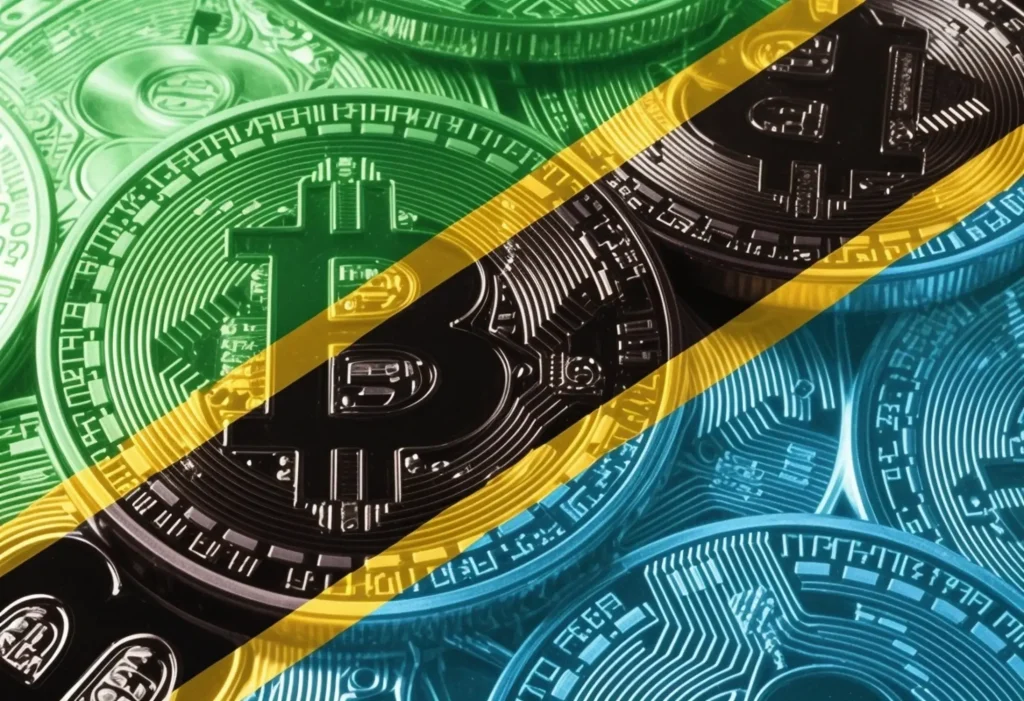
Inflation is reshaping how Nigerians manage finances and adapt to changing economic conditions. Cryptocurrency adoption in Nigeria is soaring as citizens seek alternatives to traditional banking systems, highlighting a significant shift towards digital currencies amidst economic pressure.
Economic pressure propelling Nigeria cryptocurrency adoption
Amid rising inflation and dwindling access to foreign currency, cryptocurrency offers financial stability. Many Nigerians have turned to digital currencies for remittances and savings as inflation eats away their purchasing power. Data suggests that when conventional banking systems falter, people often seek immediate solutions, and cryptocurrencies provide that sought-after alternative. The growing necessity for accessible financial solutions has made crypto an attractive option. According to Techloy, citizens are exploring digital solutions to bypass the limitations imposed by traditional finance.
Current landscape of crypto usage in Nigeria
The Nigerian crypto market has emerged as the largest in Sub-Saharan Africa, processing an impressive estimated $92.1 billion in cryptocurrency transactions recently. This rapid growth is indicative of changing attitudes toward currency and the overall economy. Bitcoin has gained substantial traction, dominating about 89 percent of fiat to crypto purchases in Nigeria. As individuals grow increasingly comfortable with the concept of digital currencies, there has been rising interest in decentralized finance (DeFi) and NFT markets among Nigerians. The shift to these platforms is fueled by both the search for profitable investment opportunities and a desire to escape the grips of inflation.
Factors influencing digital economy transformation
Inflation is driving a digital shift in Nigeria’s economic structure. With rising mobile payments and online transactions becoming more commonplace, convenience plays a critical role in this transformation. Local businesses are increasingly accepting cryptocurrency as a payment option, creating an ecosystem in which digital currency is not only viable but preferred. Moreover, this trend aligns with broader global movements towards cashless transactions. Nigerians are embracing cryptocurrencies because they offer a more streamlined and efficient way to conduct business in an environment where traditional banking solutions are often unreliable and costly.
Regulatory challenges for cryptocurrency in Nigeria
Despite the rapid growth, there is a pressing need for clarity and regulation within Nigeria’s evolving crypto market. Regulatory bodies are grappling with how to frame policies that balance innovation with consumer protection. Insights into potential frameworks suggest that a structured approach to governing cryptocurrencies will be vital for sustaining growth in this sector. As noted by various analysts, the role of these regulatory bodies will shape the future landscape of cryptocurrency in Nigeria, influencing investment and adoption rates. Anticipated developments in regulation could either bolster the market or stifle its burgeoning potential.
Techloy’s perspective on crypto trends
Techloy has provided valuable insights into how cryptocurrency is impacting Nigeria’s economic framework. Their observations reveal that the future of finance in Nigeria could be heavily influenced by local innovations and partnerships. Case studies from local innovators highlight exactly how businesses are leveraging crypto to expand operations and reach new customers. According to Techloy, the importance of local partnerships to increase crypto usage cannot be overstated; collaborations are essential for fostering an environment ripe for growth.
Future implications for Nigeria’s digital economy
Understanding the long-term effects of cryptocurrency adoption on local economies is critical. With the potential for Nigeria to lead in the African digital economy landscape, the implications are vast. As businesses explore strategies to integrate cryptocurrency solutions, they must consider both the challenges and the opportunities this digital shift presents. Overall, the expansion of crypto presents promising possibilities for economic resilience in Nigeria, particularly in times of inflation-driven uncertainty.
By examining these factors, it’s evident that the evolution of Nigeria’s financial landscape revolves not just around technology but also around a fundamental change in how citizens define security in their financial transactions.

About The Author