In today’s evolving financial landscape, we see the emergence of the OM token as a transformative force bridging traditional finance and DeFi. This synergy is critical as it opens new avenues for regulatory-compliant real-world asset tokenization, meeting the urgent need for innovation in asset management.
Understanding the OM Token’s Role in Finance
The OM token serves as a cornerstone for the MANTRA ecosystem, designed explicitly to create a bridge between traditional finance and DeFi. Its foundational purpose revolves around regulatory-compliant tokenization, allowing users to engage with real-world assets (RWAs) while adhering to legal frameworks. As the financial world increasingly embraces digital innovations, the OM token stands out for facilitating user participation in both sectors, enhancing liquidity and accessibility across the board. According to a recent overview, the OM token not only powers staking and governance but also plays a crucial role in the trading of RWAs (Baltex).
Many investors find the OM token attractive as it enables participation in diverse asset classes. The synergy between DeFi and traditional finance through the OM token showcases a unique model of liquidity provision. With this dual approach, financial operations can bypass conventional barriers and realize higher efficiencies. Moreover, as trends shift toward decentralized finance, the OM token’s role is projected to expand further, drawing traditional financial institutions to explore partnership avenues in the decentralized landscape.
The Need for Integrating Traditional Finance and DeFi
The existing financial systems show significant gaps that leave room for improvement. Traditional finance often grapples with inefficiencies, high fees, and slow transaction speeds that DeFi can effectively address. By creating seamless interactions between these two financial sectors, we can enhance overall market functionality. Recent analysis indicates that bridging these ecosystems can address liquidity shortages in the DeFi space and generate new revenue streams for traditional institutions (Medium).
However, the challenges posed by current regulatory frameworks cannot be ignored. Traditional finance operates under strict guidelines, and any DeFi integration must also comply with them. As regulatory scrutiny intensifies, firms in both sectors must adapt. The concept of compliance becomes critical not just for protecting investors but also for fostering a new age of asset management that prioritizes both efficiency and legality.
Current State of RWA Tokenization in DeFi
The landscape of RWA tokenization within DeFi is evolving rapidly. While several projects have launched, establishing trust and market acceptance remains the foremost hurdle. Key players in this space, such as MANTRA with its OM token, have taken noteworthy steps toward advancing regulatory-compliant tokenization of RWAs. By implementing innovative technology, they have succeeded in setting a benchmark for how assets can be traded on blockchain platforms (Binance).
Yet, RWA tokenization faces several integration issues. Many stakeholders within traditional finance are skeptical about the security and regulatory robustness of blockchain technologies. Overcoming these challenges is crucial for achieving mainstream acceptance. Therefore, it requires concerted efforts to build trust and create collaborative frameworks between DeFi solutions and traditional finance.
Challenges and Opportunities for Regulatory Compliance
Navigating regulatory hurdles represents one of the significant challenges MANTRA faces in bridging DeFi and traditional finance. Both sectors involve complex compliance landscapes that necessitate meticulous attention. Regulatory uncertainty can deter investment and inhibit growth opportunities, especially for newcomers seeking a foothold in the market.
However, this landscape also presents opportunities for MANTRA and others in the space. Developing regulatory-compliant frameworks allows projects like MANTRA to attract institutional investors seeking safety and assurance. As noted by analysts, strategies to navigate these challenges should include active engagement with regulators and the implementation of best practices to ensure compliance while fostering innovation.
Leveraging Technology for Tokenization Solutions
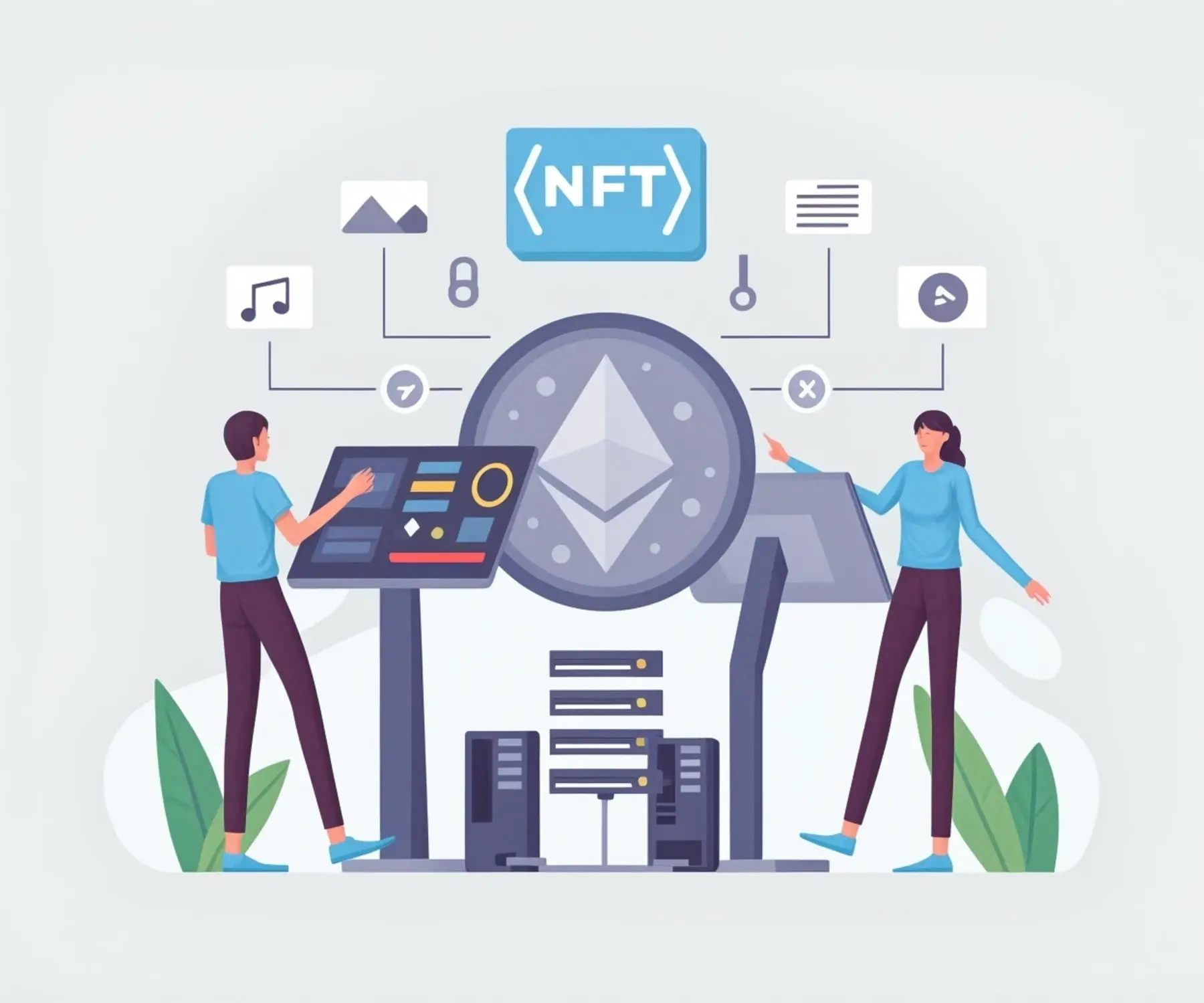
Technological advancements play a vital role in overcoming the challenges associated with RWA tokenization. MANTRA leverages its Layer-1 blockchain built on the Cosmos SDK to offer enhanced security, scalability, and performance. This infrastructure empowers the tokenization of real-world assets while ensuring that transactions are processed with high efficiency.
As the global financial system continues to embrace digital transformation, technologies like blockchain enhance security and foster trust among investors. By facilitating the secure trading of RWAs, MANTRA is positioned to set industry standards as it confronts emerging regulatory challenges head-on.
Investing in the Future: Actionable Steps with OM
Investors looking to engage with OM have a world of possibilities ahead of them. To capitalize on shifts in the market, they can consider diverse RWA investment strategies that align with current financial trends. By observing market dynamics and regulatory impacts on asset tokenization, investors can make informed decisions.
In practical terms, this means staying updated on regulatory developments and market trends affecting the OM token. Analyzing performance metrics and leveraging community resources can provide insights into the best opportunities for growth. As the financial ecosystem matures, early engagement in the OM token could yield significant returns, paving the way for a brighter future in asset management.
About The Author